CO2 & Water Extracted Caffeine
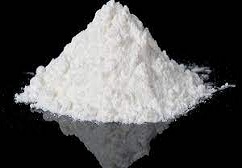
CO₂ & Water Extracted Caffeine
Decaffeination Process – CO₂ Method
The extraction of caffeine using carbon dioxide is commonly referred to as the CO₂ method or Supercritical
Carbon Dioxide process and is technically known as Supercritical Fluid Extraction (SFE).
In this process, water-moistened coffee beans are placed into a sealed extraction vessel. Food-grade carbon
dioxide is introduced under controlled high-pressure conditions (typically around 1,000 psi), where it reaches a
supercritical state. In this form, CO₂ functions as a selective extraction medium and preferentially dissolves
caffeine from the coffee matrix.
The caffeine-enriched CO₂ stream is then transferred to a separation chamber where pressure is reduced, allowing
the CO₂ to revert to its gaseous state and separate from the extracted caffeine. The caffeine is recovered using
carbon adsorption systems. The CO₂ is subsequently recompressed and recycled for reuse in the process.
This method is widely used for decaffeination due to its efficiency and ability to maintain key sensory
characteristics of coffee.
Water Extraction Decaffeination Process
The water-based decaffeination process is sometimes referred to as the Swiss Water process. This method utilizes
water and carbon filtration for caffeine removal.
In this process, green coffee beans are combined with water in a controlled extraction system. Water acts as a
solvent and extracts caffeine along with other water-soluble components naturally present in coffee. The
resulting solution, often referred to as green coffee extract, is passed through carbon filtration systems
designed to selectively remove caffeine.
The caffeine-reduced extract is then reused in subsequent extraction cycles to help maintain the coffee’s
soluble components while reducing caffeine levels. The extraction cycle is repeated until the caffeine content
meets specified decaffeination standards.
Following caffeine removal, the treated coffee is dried and prepared for further processing or packaging.
This method is commonly used for decaffeination, including applications where solvent-free processing is
preferred.
Enquiry Now



 +91-9509888778


